
Similar articles
Tire Blanket Ban: How Removing Tyre Warmers Could Change Formula 1
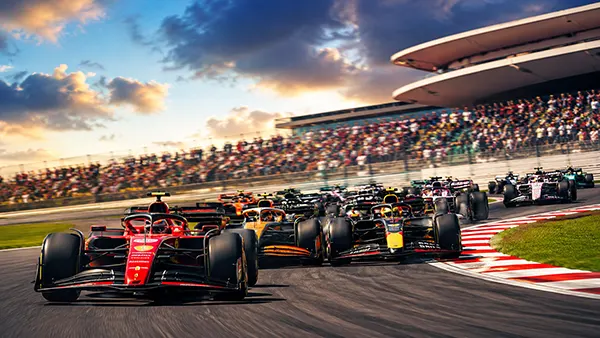
For more than two decades, tyre blankets have been a standard part of Formula 1 race weekends. Teams use electrically heated blankets to bring tyres close to their optimal operating temperature before a car leaves the garage. While this process improves grip and consistency from the first corner, Formula 1 and the FIA have repeatedly discussed removing tyre warmers as part of broader sustainability initiatives and cost-reduction measures. Although a complete ban has been postponed several times due to safety concerns, the debate remains highly relevant in 2026 because it directly affects car performance, race strategy, driver behaviour, tyre development and the overall spectacle of Grand Prix racing.
Why Formula 1 Has Considered Eliminating Tyre Blankets
The discussion surrounding tyre blanket removal is closely linked to Formula 1’s environmental objectives. Tyre blankets consume significant amounts of electricity throughout a race weekend. Each team operates multiple sets of blankets across practice sessions, qualifying and races. Reducing this energy consumption aligns with Formula 1’s long-term sustainability programme, which aims to lower the championship’s environmental footprint without compromising competition.
Financial considerations also play an important role. Although tyre blankets represent a relatively small percentage of a Formula 1 team’s overall budget, the associated equipment, transportation, maintenance and operational requirements create additional expenses. Removing the system would simplify logistics and reduce the amount of specialised hardware transported between events.
The FIA has additionally explored whether colder tyres could introduce new strategic elements into racing. Drivers would need to manage tyre temperatures more carefully during out-laps, restarts and the opening laps of a race stint. Supporters of the proposal argue that this could place greater emphasis on driver skill and tyre management rather than relying on pre-heated tyres that are immediately ready to perform.
The Sustainability Argument Behind the Proposal
Modern Formula 1 increasingly evaluates every technical system through the lens of efficiency and sustainability. The championship’s transition towards sustainable fuels, more efficient power units and reduced operational emissions has encouraged regulators to examine smaller contributors to energy consumption as well. Tyre blankets naturally became part of that conversation.
According to estimates discussed within the sport over recent seasons, thousands of hours of electrical heating are required across a full Formula 1 calendar. While the impact of tyre blankets is modest compared with global transport emissions, Formula 1 seeks to demonstrate that every aspect of its operations is being reviewed for potential improvements.
At the same time, sustainability goals must be balanced against sporting and safety requirements. This balance has been one of the main reasons why the FIA, teams and tyre supplier Pirelli have continued testing alternatives rather than implementing an immediate and permanent ban.
Potential Effects on Drivers, Teams and Racing Strategy
If tyre blankets were removed completely, the most immediate consequence would be reduced grip during the first corners after leaving the pits. Drivers would need to spend more time generating temperature through braking, acceleration and cornering. This adjustment period could significantly influence qualifying laps and race strategies.
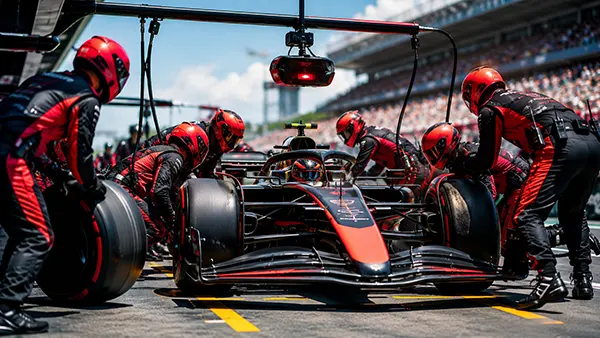
Teams would also need to rethink pit stop planning. Currently, drivers can often push immediately after a tyre change because the tyres are already close to their working window. Without blankets, engineers would need to account for slower warm-up phases, potentially altering undercut and overcut strategies that have become central to modern Formula 1 race management.
Weather conditions would become an even larger factor. Circuits with low track temperatures, such as events held early or late in the season, could present additional challenges. Cold conditions naturally make it more difficult for tyres to reach peak performance, which may increase variability between teams and drivers.
How Driver Technique Could Become More Important
One of the most interesting consequences of a tyre blanket ban would be the increased importance of driver adaptability. Competitors would need to extract performance from tyres that are not immediately operating within their ideal temperature range. Smooth steering inputs, careful throttle application and precise braking would become even more valuable.
Experienced drivers often excel at managing tyre temperatures over long race stints. Without tyre blankets, these skills could become critical from the moment a car exits the pit lane. Drivers who quickly understand changing grip levels may gain an advantage over rivals who require additional laps to build tyre temperature.
This shift could also create more visible differences between driving styles. Some drivers naturally generate heat through aggressive corner entry and braking techniques, while others prefer smoother methods. Such contrasts could add another layer of complexity to race weekends and provide fans with new tactical storylines.
The Role of Pirelli and the Future of Tyre Development
Pirelli has been central to every discussion regarding tyre blanket removal. As Formula 1’s exclusive tyre supplier, the company must ensure that any tyre used without blankets can warm up predictably while maintaining safety standards. Developing such compounds is a highly complex engineering challenge.
Several tyre constructions have already been tested specifically for colder operating conditions. Engineers have explored compounds capable of generating grip more quickly without sacrificing durability, performance consistency or resistance to overheating later in a stint. Achieving all of these objectives simultaneously remains difficult.
The tyre supplier must also consider the diversity of Formula 1 circuits. A tyre that warms effectively at Bahrain may behave very differently at Silverstone, Spa-Francorchamps or Las Vegas. As a result, any future blanket-free tyre must perform reliably across a wide range of temperatures and track characteristics.
Could Formula 1 Eventually Race Without Tyre Warmers?
As of 2026, Formula 1 has not permanently eliminated tyre blankets, largely because testing programmes revealed concerns about safety, tyre performance and race consistency. Teams and drivers have generally supported a cautious approach rather than implementing a rapid transition.
Nevertheless, the concept remains under active consideration. Future tyre designs, advances in materials science and additional testing could eventually make blanket-free racing practical. The FIA continues to evaluate whether technological developments can address the challenges identified during previous trials.
If tyre blankets are eventually removed, the change would represent far more than a simple equipment adjustment. It would influence race strategy, driver performance, tyre engineering and the competitive balance of Formula 1. Whether introduced gradually or as part of a broader regulatory package, the decision would become one of the most significant sporting and technical changes of the modern era.