
Similar articles

Hybrid and Hydrogen Futures in Motorsport: Can Sustainable Technologies Replace EVs and Combustion Engines?
Motorsport has always been a laboratory for future mobility. From turbocharging to hybrid energy recovery systems, technologies first tested on the track often reach public roads years later. By 2025, the industry stands at a crossroads, balancing environmental pressure, regulatory change, and the demand for performance. Hybrid and hydrogen solutions are now discussed not as experimental concepts, but as realistic alternatives to both electric-only racing and traditional internal combustion engines.
The Current Role of Hybrid Technology in Motorsport
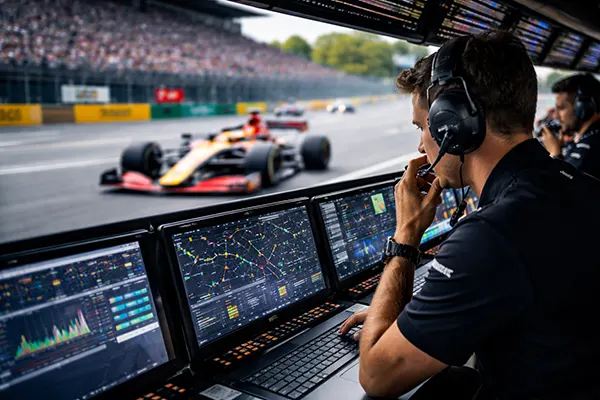
Hybrid powertrains are already deeply embedded in top-tier motorsport. Formula 1, the World Endurance Championship, and IMSA all rely on complex systems combining internal combustion engines with energy recovery units. These systems convert braking and exhaust heat into electrical energy, improving efficiency without compromising performance.
By 2025, hybrid systems in motorsport are no longer transitional. They have matured into highly optimised solutions capable of delivering precise power deployment, improved fuel efficiency, and strategic flexibility. Manufacturers use racing hybrids to test battery durability, software control, and thermal management under extreme conditions.
Unlike fully electric racing series, hybrids allow teams to maintain long race distances without relying on charging infrastructure. This makes them particularly suitable for endurance formats, where reliability and energy efficiency are equally critical.
Technical and Regulatory Limits of Hybrid Racing
Despite their advantages, hybrid systems remain complex and expensive. Development costs are high, and the gap between factory-backed teams and private entrants has widened. Governing bodies have responded by introducing cost caps and standardised components, but technical barriers remain.
Another limitation lies in emissions. While hybrids significantly reduce fuel consumption, they still rely on combustion. Synthetic fuels have helped lower lifecycle emissions, yet full carbon neutrality remains difficult to achieve at scale.
As regulations tighten beyond 2030, hybrids may face diminishing relevance unless combined with alternative fuels or reconfigured to support hydrogen-based combustion systems.
Hydrogen as a Motorsport Power Source
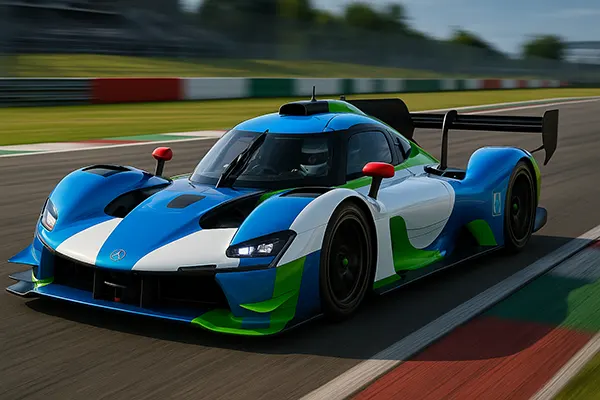
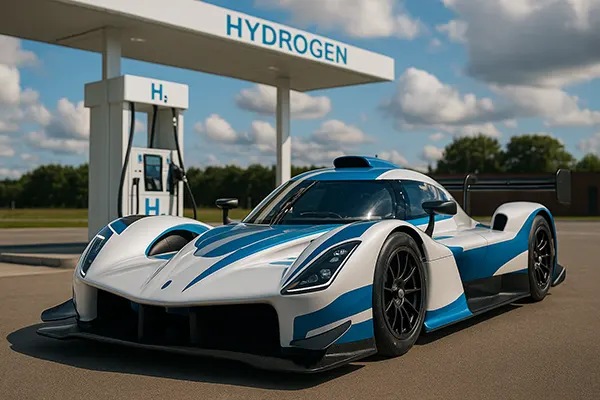
Hydrogen has gained renewed attention as a long-term solution for sustainable motorsport. Unlike batteries, hydrogen allows rapid refuelling and consistent energy output over long distances. By 2025, several manufacturers have already demonstrated hydrogen-powered race prototypes in endurance environments.
There are two primary approaches: hydrogen fuel cells generating electricity, and hydrogen combustion engines adapted from existing designs. Each offers different advantages in terms of sound, thermal behaviour, and regulatory compatibility.
Motorsport’s controlled environment makes it an ideal testing ground for hydrogen storage, safety systems, and refuelling procedures, all of which remain critical challenges for public adoption.
Infrastructure and Safety Challenges
The main obstacle to hydrogen racing is infrastructure. Transporting, storing, and dispensing hydrogen requires specialised facilities and strict safety protocols. Circuits must invest heavily to meet these standards, limiting widespread adoption in the short term.
Safety concerns are often overstated but still valid. Hydrogen’s low ignition energy demands advanced monitoring systems. Motorsport programmes have already contributed valuable data on leak detection, pressure control, and emergency response procedures.
Until infrastructure costs decrease, hydrogen is likely to coexist with hybrids rather than replace them outright.
Can Hybrids and Hydrogen Replace EVs and Combustion Engines?
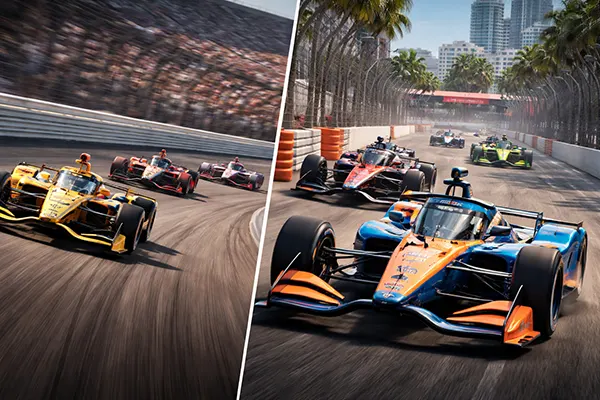
Fully electric racing has proven effective in urban sprint formats, but limitations remain. Battery weight, thermal degradation, and charging time restrict race length and performance consistency. These factors make EV-only solutions less suitable for endurance and high-speed categories.
Traditional combustion engines, while mechanically efficient, face regulatory and public pressure. Even with synthetic fuels, their long-term role in motorsport is increasingly uncertain.
Hybrid and hydrogen technologies offer a middle path, combining sustainability with the performance and endurance fans expect. Rather than a single replacement, motorsport is moving towards a diversified technological ecosystem.
The Likely Motorsport Landscape Beyond 2030
By the early 2030s, motorsport is expected to feature multiple powertrain concepts operating in parallel. Hybrid systems paired with sustainable fuels will dominate global championships, while hydrogen finds its place in endurance racing and manufacturer-led innovation programmes.
Electric racing will continue to develop in formats where its limitations are less restrictive, contributing valuable data on battery efficiency and software control.
This diversity ensures that motorsport remains relevant, innovative, and aligned with broader mobility goals without sacrificing its competitive identity.