
Similar articles
The Role of a Race Engineer: How Races Are Managed Over the Radio
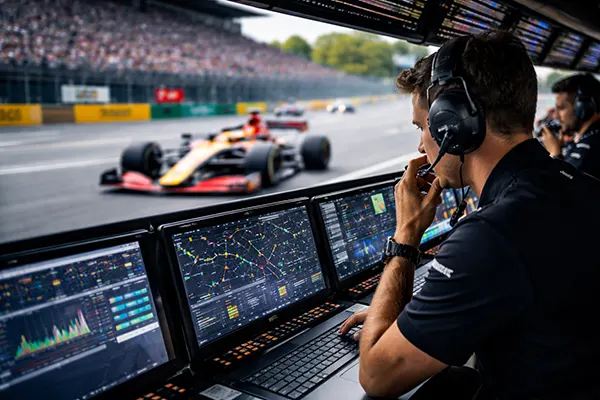
In modern motorsport, the race engineer sits at the centre of decision-making during a Grand Prix weekend. While drivers handle the car at high speed, engineers interpret data, anticipate changes and guide every critical move through radio communication. By 2026, with increasingly complex hybrid systems, tyre strategies and real-time analytics, the role has become even more influential, often determining whether a driver fights for victory or loses positions.
How Communication Shapes Race Strategy in Real Time
Race engineers act as the driver’s primary point of contact with the entire team. They filter vast streams of telemetry data into clear, concise instructions that can be understood instantly. During a race, this includes updates on tyre degradation, fuel targets, and competitor movements, all delivered in seconds while the driver operates at the limit.
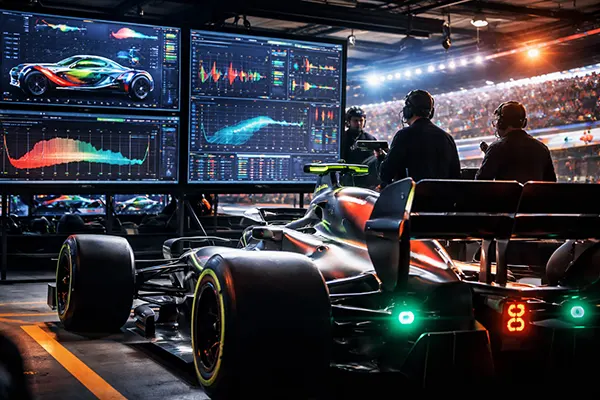
Modern Formula 1 cars generate thousands of data points per second. Engineers monitor brake temperatures, energy recovery systems, and tyre wear, translating this information into actionable decisions. In 2026, teams rely heavily on predictive models that simulate race outcomes in real time, allowing engineers to adjust strategy dynamically.
Clarity is essential. Radio messages must be short, precise and timed carefully. A poorly delivered instruction can distract the driver or lead to mistakes. That is why engineers train extensively in communication, learning how to prioritise information and deliver it under pressure.
Balancing Data, Instinct and Driver Feedback
While data plays a central role, it is not the only factor. Engineers must balance numerical insights with the driver’s feedback. A driver may report a loss of grip or instability that is not immediately visible in telemetry, and this input can influence decisions such as pit stops or setup adjustments.
Experience also matters. Many race engineers have years of trackside knowledge, allowing them to interpret situations beyond raw data. For example, changing wind conditions or track evolution can affect performance in ways that models do not fully capture.
The relationship between driver and engineer is built on trust. Consistent communication styles, shared terminology and mutual understanding enable both sides to react quickly. In high-pressure moments, this connection often becomes the difference between a successful strategy call and a missed opportunity.
Strategic Decisions: Pit Stops, Tyres and Energy Management
One of the most visible aspects of a race engineer’s role is managing pit stop timing. Choosing when to bring a driver in can determine track position and race outcome. Engineers analyse gaps to competitors, tyre wear levels and safety car probabilities before making the call.
Tyre strategy remains one of the most complex elements in Formula 1. With compounds designed to degrade differently depending on track conditions, engineers must predict how long each set will last. In 2026, improved simulation tools allow teams to model degradation curves with greater accuracy, but unexpected factors still play a role.
Energy management has become equally important. Hybrid power units require careful balancing of electrical deployment and recovery. Engineers guide drivers on when to push, when to conserve energy, and how to maximise efficiency during different phases of the race.
Reacting to Unpredictable Race Events
Races rarely follow a fixed plan. Safety cars, virtual safety cars, weather changes and incidents can force rapid adjustments. Engineers must quickly reassess strategy and communicate new instructions without overwhelming the driver.
For example, a sudden safety car can create an opportunity for a “cheap” pit stop. Engineers must calculate whether the time saved outweighs the risk of losing track position. These decisions often need to be made within seconds.
Weather adds another layer of complexity. Switching between slick and intermediate tyres requires precise timing. Engineers monitor radar data, track conditions and competitor behaviour to determine the optimal moment, guiding the driver through constantly changing grip levels.
The Human Factor Behind Technical Precision
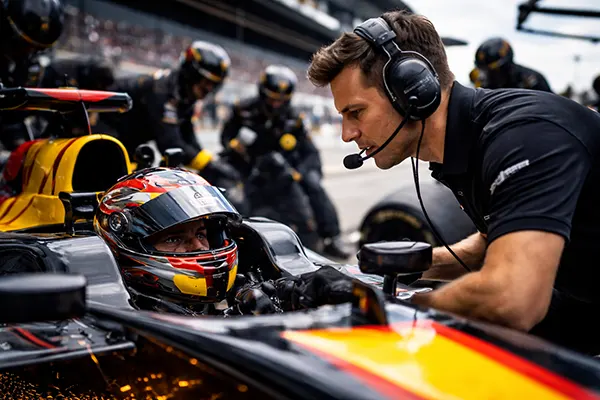
Despite the reliance on technology, the role of a race engineer remains deeply human. Communication style, emotional control and decision-making under pressure are just as important as technical knowledge. Engineers must remain calm, even when races become chaotic.
Driver psychology is another key element. Engineers often act as motivators, helping drivers maintain focus during long stints. A well-timed message can boost confidence or help a driver reset after a mistake.
Team coordination also depends on the race engineer. They serve as the link between strategists, mechanics and the driver, ensuring that everyone operates with the same understanding of the race situation.
Why Race Engineers Are Critical to Success in 2026
As Formula 1 continues to evolve, the complexity of cars and strategies increases. By 2026, with updated regulations and further integration of hybrid systems, the role of the race engineer has become even more demanding. Engineers must combine technical expertise with rapid decision-making skills.
Successful teams invest heavily in developing their engineering staff, recognising that strong communication and strategic thinking can provide a competitive edge. Even with similar machinery, the quality of race management can separate leading teams from the rest of the grid.
Ultimately, the race engineer is the driver’s eyes beyond the cockpit. Through precise radio communication, they shape every phase of the race, turning data into decisions and strategy into results.