
Similar articles
Telemetry in Motorsport: What Data Really Determines Performance
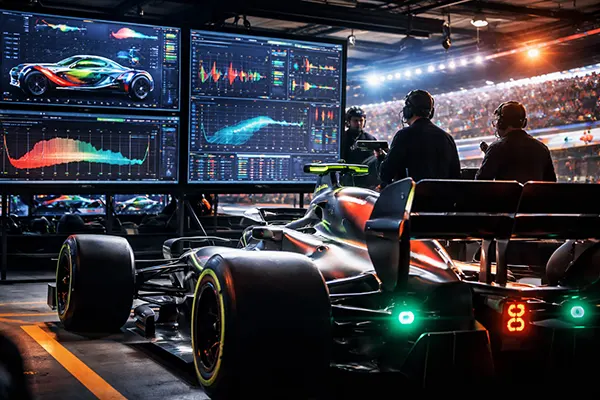
Modern motorsport is no longer decided by instinct alone. While driver skill remains central, performance today is shaped by a continuous stream of data collected in real time. Telemetry allows engineers to understand what is happening inside the car on every metre of the track, turning raw numbers into actionable decisions. In 2026, the competitive gap between teams is often measured not just in horsepower or aerodynamics, but in how effectively they interpret and apply telemetry data.
Core Telemetry Metrics That Influence Lap Time
The most fundamental telemetry data relates directly to vehicle dynamics. Speed traces, throttle position, braking pressure and steering input provide a detailed picture of how the car is being driven. By comparing these metrics across laps or between teammates, engineers can identify inefficiencies such as late braking, suboptimal throttle application, or unnecessary steering corrections. Even a small inconsistency in these inputs can cost tenths of a second over a lap.
Tyre data has become equally critical. Sensors monitor temperature across the tyre surface, pressure changes and degradation rates. In categories such as Formula 1 or endurance racing, tyre management often determines race outcomes. Teams analyse how quickly tyres reach optimal operating windows and how they degrade over time, adjusting strategy accordingly. Poor tyre temperature control can reduce grip and increase lap times significantly.
Engine and power unit performance metrics also play a decisive role. Parameters such as fuel flow, energy recovery system deployment and engine temperature are monitored continuously. In hybrid racing series, energy deployment strategies can determine overtaking opportunities. Teams use telemetry to balance performance and reliability, ensuring that the engine delivers maximum output without exceeding safe operating limits.
How Drivers and Engineers Use This Data Together
Telemetry is not just about collecting data; it is about communication between driver and engineer. After each session, drivers review telemetry overlays with engineers to understand where time is lost or gained. This process often reveals details that are not obvious from the cockpit, such as subtle differences in braking points or corner exit speeds.
In real-time scenarios, engineers can guide drivers using radio feedback based on telemetry insights. For example, if tyre temperatures begin to drop, the driver may be instructed to adjust driving style to generate more heat. Similarly, if fuel consumption is higher than expected, lift-and-coast techniques may be introduced mid-race.
This collaboration creates a feedback loop where data informs driving, and driving generates new data. Over the course of a race weekend, this iterative process refines performance to a level that would be impossible without telemetry support.
Aerodynamics and Suspension: Hidden Performance Factors
Beyond basic inputs, advanced telemetry focuses on aerodynamic efficiency and suspension behaviour. Ride height sensors, load cells and airflow measurements help teams understand how the car interacts with the track surface and surrounding air. In high-speed corners, even minor aerodynamic imbalances can lead to instability or reduced downforce.
Suspension telemetry reveals how the car responds to bumps, kerbs and weight transfer. Engineers analyse damper movement, wheel travel and chassis load distribution to optimise mechanical grip. In series like Formula 1, where regulations tightly limit design changes, fine-tuning suspension through telemetry can yield measurable gains.
Data from these systems is often combined with simulation tools. Teams create digital models of the car and validate them against real telemetry data. This allows for more accurate setup changes and predictive adjustments, especially when track conditions evolve during a race weekend.
The Role of Predictive Analytics in 2026
By 2026, predictive analytics has become a standard part of telemetry systems. Machine learning models process historical and real-time data to forecast tyre degradation, fuel consumption and even potential component failures. This enables teams to make proactive decisions rather than reacting to issues as they arise.
For example, predictive models can suggest the optimal pit stop window based on tyre wear patterns and competitor behaviour. In endurance racing, they can estimate when a component is likely to fail, allowing teams to replace it before it becomes a critical issue.
This shift towards predictive decision-making reduces uncertainty and improves strategic precision. Teams that integrate these tools effectively gain a significant competitive advantage, particularly in long-format races where strategy plays a major role.
Strategy Data: The Difference Between Winning and Losing
Race strategy is where telemetry data translates directly into results. Fuel usage, tyre wear, track position and competitor data are all analysed in real time. Engineers use this information to decide when to pit, which tyres to select and how aggressively the driver should push at different stages of the race.
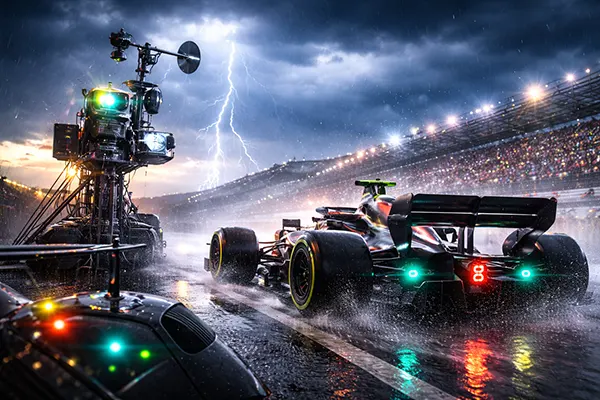
Weather data has also become a crucial element of telemetry. Sensors track track temperature, humidity and surface conditions, while external data feeds provide weather forecasts. Sudden changes in conditions can dramatically alter grip levels, making timely strategic decisions essential.
Competitor analysis is another key aspect. Teams monitor rival cars’ telemetry proxies, such as sector times and pit stop patterns, to anticipate their strategies. This allows them to respond dynamically, whether by undercutting, overcutting or adjusting pace to maintain track position.
Human Decision-Making in a Data-Driven Environment
Despite the increasing reliance on data, human judgement remains central. Engineers and strategists must interpret telemetry within the broader context of the race. Data can indicate trends, but it cannot fully account for unpredictable factors such as driver behaviour, on-track incidents or sudden weather shifts.
Experienced race engineers often rely on a combination of data and intuition. They understand when to trust the numbers and when to override them based on situational awareness. This balance is particularly important in high-pressure moments, such as safety car periods or final laps.
Ultimately, telemetry provides the foundation for decision-making, but it is the ability to interpret and act on that data that determines success. In modern motorsport, the winning team is not always the one with the fastest car, but the one that uses its data most effectively.